

August 25, 2026
Explore UNESCO World Heritage Sites in Vietnam: 8 Must-See Landmarks
August 11, 2026
Vietnam is home to a remarkable collection of UNESCO-recognized heritage sites that showcase the country’s rich natural beauty, cultural diversity, and long-standing history. As of 2014, Vietnam had 18 UNESCO-recognized heritage designations, including world natural heritage sites, cultural heritage sites, mixed heritage sites, intangible cultural heritage, and documentary heritage.
From the breathtaking limestone islands of Ha Long Bay to the vast cave systems of Phong Nha – Ke Bang National Park, each heritage site represents a unique chapter in Vietnam’s story and holds outstanding universal value.
In this guide, discover UNESCO World Heritage Sites in Vietnam and learn why these extraordinary destinations have become symbols of the country’s cultural and natural legacy.
1. Ha Long Bay
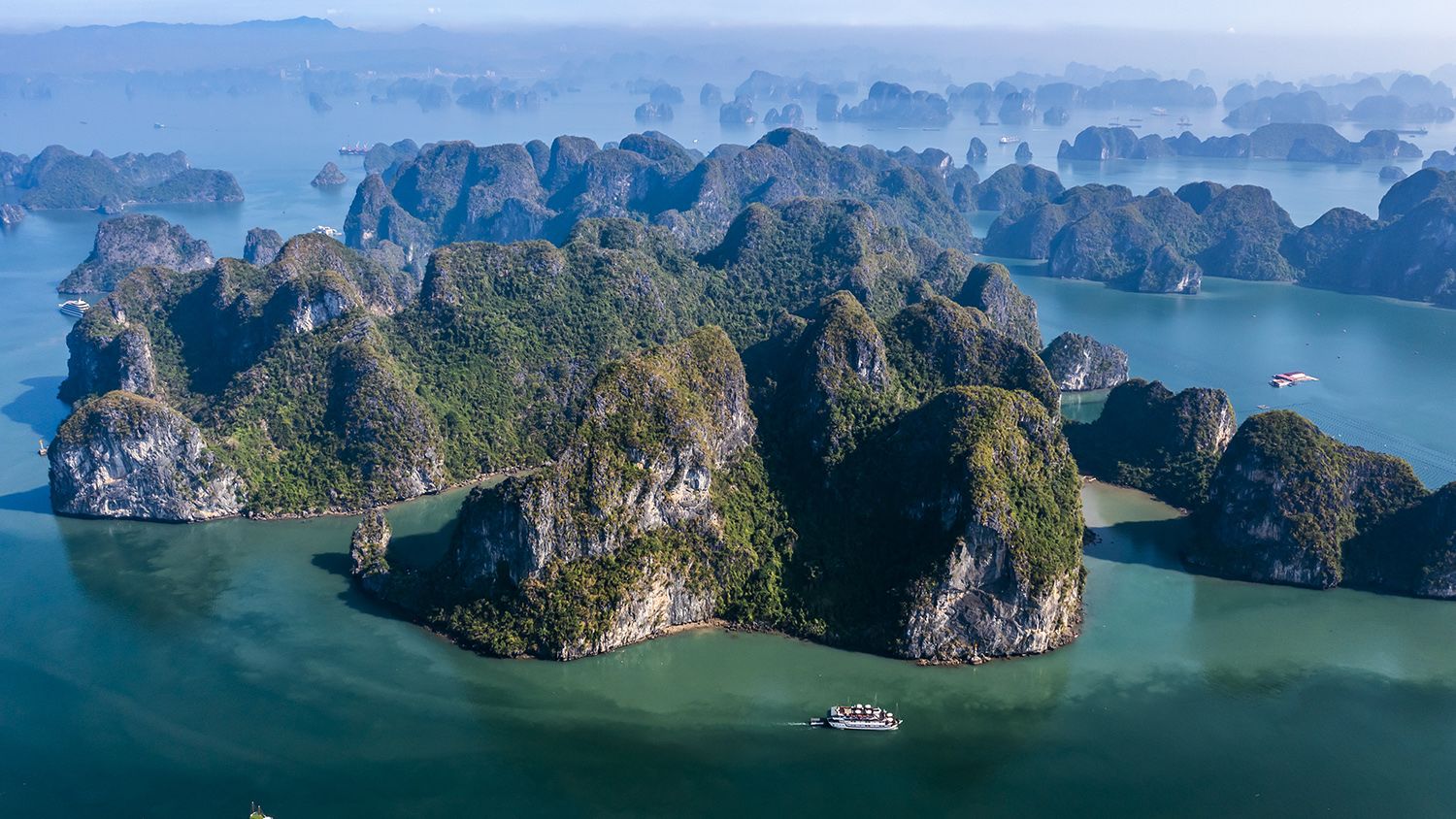
Recognized as a UNESCO World Natural Heritage Site, Ha Long Bay covers approximately 1,553 km² and features nearly 2,000 limestone and shale islands rising dramatically from emerald waters. The UNESCO-listed core zone spans 434 km² and includes 775 islands.
Beyond its spectacular scenery, visitors can explore famous attractions such as Sung Sot Cave (Surprise Cave), Thien Cung Cave, Luon Cave, and traditional floating fishing villages. Ha Long Bay remains one of Vietnam’s most iconic travel destinations.
Location: Ha Long City, Quang Ninh Province
2. Phong Nha – Ke Bang National Park

Located in Quang Binh Province, Phong Nha – Ke Bang National Park covers nearly 200,000 hectares and contains one of Asia’s oldest karst landscapes, dating back approximately 400 million years.
The park is home to an extensive cave system stretching over 220 km, including Son Doong Cave, the world’s largest cave. Discovered in 2009, Son Doong measures approximately 200 meters high, 150 meters wide, and at least 8.5 kilometers long. In addition to its geological significance, the park supports a rich ecosystem with numerous rare and endangered plant and animal species.
Location: Quang Binh Province
>> Read more: Most Beautiful National Parks in Vietnam
3. Thang Long Imperial Citadel
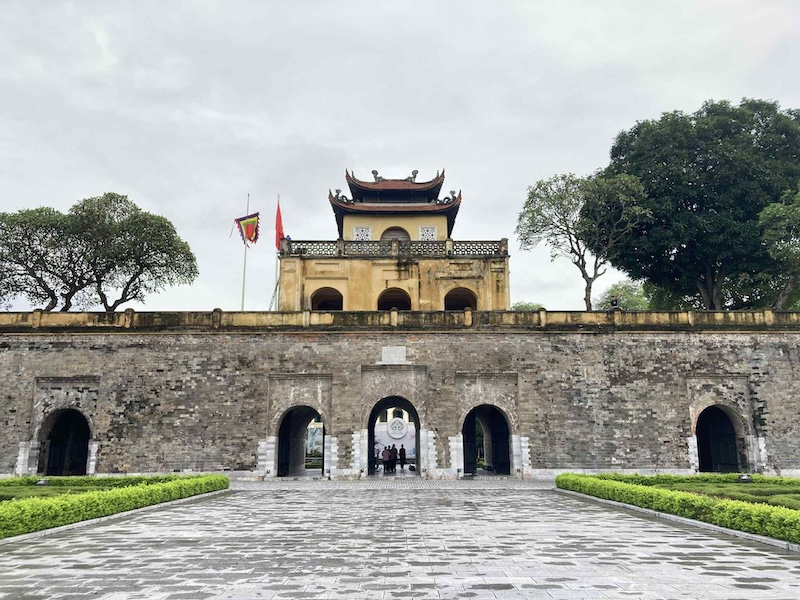
Serving as Vietnam’s political and cultural center for centuries, the Thang Long Imperial Citadel preserves more than 1,300 years of history, spanning from the Chinese domination period to independent Vietnamese dynasties.
Highlights include the Hanoi Flag Tower and the archaeological site at 18 Hoang Dieu Street, where millions of valuable artifacts have been uncovered. In 2010, UNESCO inscribed the citadel as a World Cultural Heritage Site for its exceptional historical and archaeological significance.
Location: 19C Hoang Dieu Street, Ba Dinh District, Hanoi
4. Complex of Hue Monuments
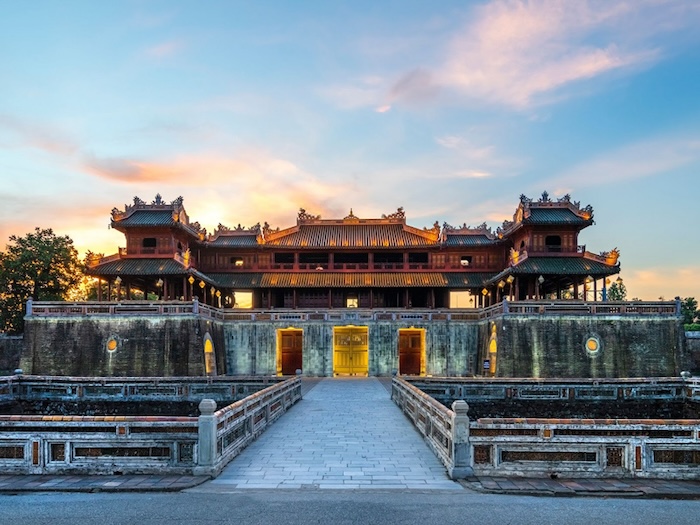
Recognized by UNESCO in December 1993, the Complex of Hue Monuments was Vietnam’s first World Heritage Site.
The complex includes the Citadel, Imperial City, and Forbidden Purple City, along with the royal tombs of the Nguyen emperors situated along the Perfume River. As one of Southeast Asia’s best-preserved royal architectural ensembles, Hue reflects the cultural, artistic, and political achievements of Vietnam’s last imperial dynasty.
Location: Hue City, Hue Municipality
5. Hoi An Ancient Town
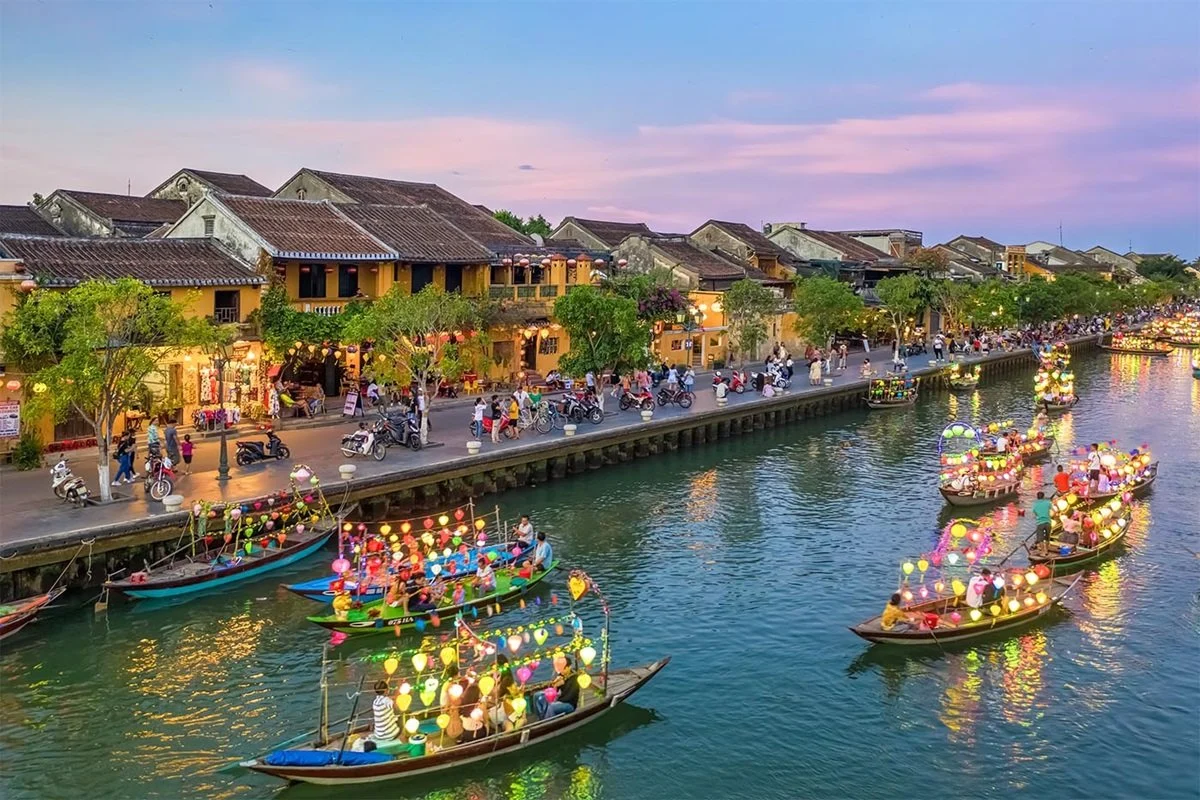
Once a thriving international trading port between the 15th and 19th centuries, Hoi An has preserved its historic urban landscape remarkably well.
The town contains more than 1,300 historical monuments, including traditional wooden houses, assembly halls, temples, pagodas, and the famous Japanese Covered Bridge. Thanks to its unique blend of Vietnamese, Chinese, Japanese, and European influences, Hoi An Ancient Town was designated a UNESCO World Cultural Heritage Site and remains one of Vietnam’s most beloved destinations.
Location: Hoi An City, Quang Nam Province
6. My Son Sanctuary
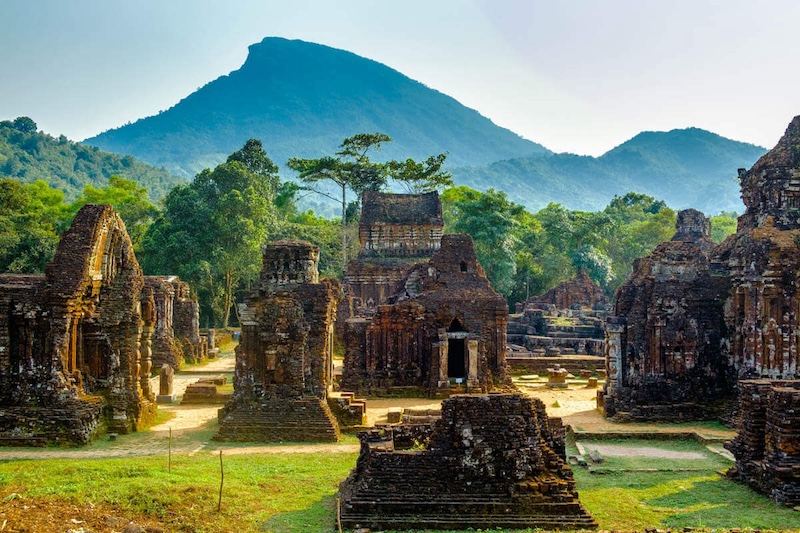
Nestled in a valley approximately 2 km in diameter in Duy Xuyen District, Quang Nam Province, My Son served as the religious and political center of the Champa Kingdom from the late 4th century onward.
The site was rediscovered in 1885 and today contains around 70 temple towers and 32 inscriptions. Among the 225 Cham monuments identified throughout Vietnam, My Son is considered the most significant complex in terms of historical, architectural, and artistic value.
Location: Duy Phu Commune, Duy Xuyen District, Quang Nam Province
7. Ho Dynasty Citadel
Located in Vinh Loc District, Thanh Hoa Province, the Ho Dynasty Citadel was constructed in 1397 under Emperor Ho Quy Ly and is one of the few large-scale stone citadels remaining in Southeast Asia.
The fortress is renowned for its sophisticated construction technique, featuring stone blocks weighing between 10 and 26 tons assembled without mortar. Remarkably, the entire citadel was completed in just three months, demonstrating the advanced engineering skills of medieval Vietnam.
More than 600 years later, the site still retains its four main gates and over 3.5 kilometers of defensive walls. UNESCO recognized the citadel as a World Cultural Heritage Site on June 27, 2011.
Location: Vinh Tien and Vinh Long Communes, Vinh Loc District, Thanh Hoa Province
8. Trang An Landscape Complex
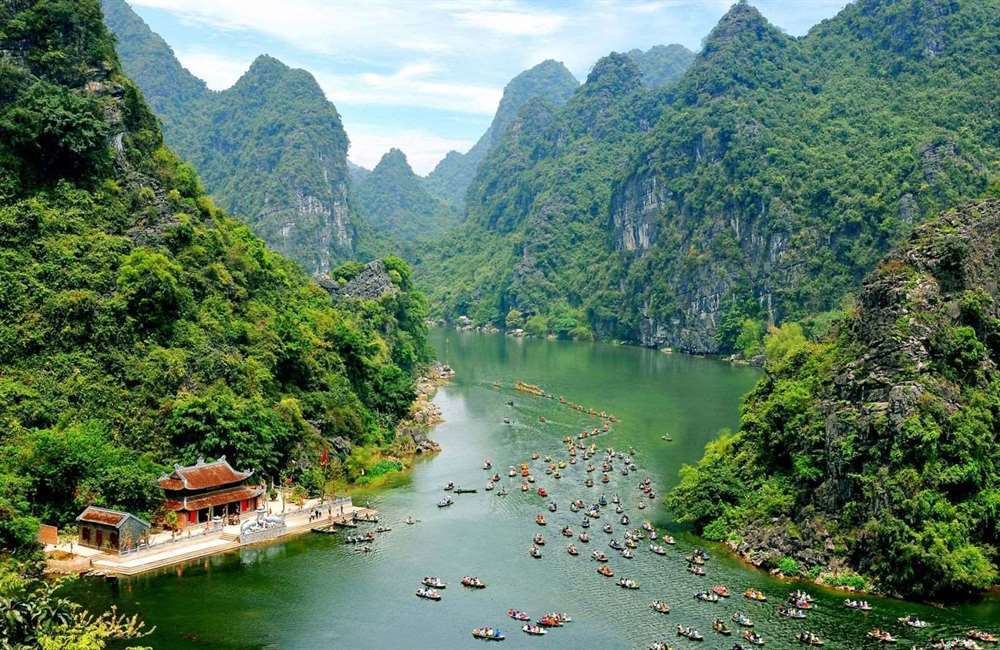
The Trang An Landscape Complex is Vietnam’s first and only UNESCO-recognized Mixed World Heritage Site, combining both cultural and natural values.
Covering approximately 6,172 hectares, the site encompasses Hoa Lu Ancient Capital, the Trang An Ecotourism Area, Tam Coc – Bich Dong, and Hoa Lu Special-Use Forest. Often referred to as “Ha Long Bay on Land,” Trang An is famous for its dramatic limestone karsts, scenic waterways, and interconnected cave systems.
In addition to its breathtaking landscapes, Trang An preserves important archaeological and historical remains associated with the ancient capital of Hoa Lu, dating back to the 10th century.
Location: Hoa Lu City, Ninh Binh Province
Frequently Asked Questions (FAQ)
1. How many UNESCO World Heritage Sites does Vietnam have?
Vietnam has several UNESCO-recognized heritage designations, including natural heritage sites, cultural heritage sites, mixed heritage sites, intangible cultural heritage, and documentary heritage.
2. What was the first UNESCO World Heritage Site in Vietnam?
The Complex of Hue Monuments became Vietnam’s first UNESCO World Heritage Site in 1993 due to its outstanding historical, architectural, and cultural significance.
3. Which UNESCO Mixed World Heritage Site is located in Vietnam?
The Trang An Landscape Complex in Ninh Binh is Vietnam’s first and only UNESCO Mixed World Heritage Site, recognized for its exceptional combination of natural beauty and cultural heritage.
4. What is the best tour to explore UNESCO World Heritage Sites in Vietnam?
Travelers can choose UNESCO-themed tours ranging from 3 to 15 days, covering destinations such as Ha Long Bay, Phong Nha – Ke Bang National Park, Hue, Hoi An, My Son Sanctuary, and Trang An. These itineraries provide an immersive journey through Vietnam’s natural wonders, history, and cultural heritage.
Vietnam’s UNESCO World Heritage Sites showcase the country’s extraordinary natural beauty, rich history, and diverse cultural heritage. From the stunning landscapes of Ha Long Bay and Phong Nha – Ke Bang to the historic treasures of Hue, Hoi An, and My Son, each destination offers a unique and unforgettable experience.
Ready to explore Vietnam’s most iconic heritage sites? Ancient Orient Journeys offers expertly designed luxury Vietnam tours that bring you closer to the country’s UNESCO treasures. Contact us today to start planning your Vietnam heritage adventure.
Related news

Embark on inspiring journeys today!
Book your tour now and make your travel dreams come true. With our dedicated customer service, diverse and carefully crafted itineraries, you’re guaranteed a seamless, memorable, and worry-free experience every step of the way.
SEND A REQUEST