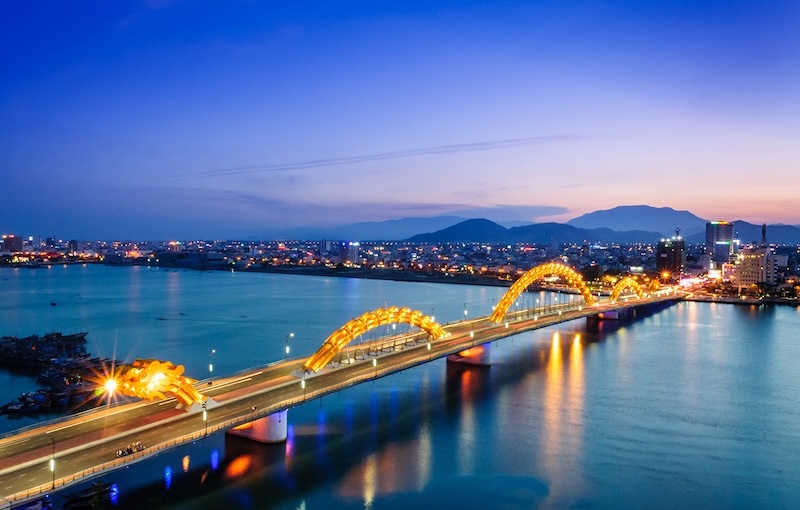


Ready to experience Southeast Asia beyond the typical tourist path? With AOJ’s Indochina travel packages, you’ll embark on an immersive journey through the cultural treasures and breathtaking landscapes of Vietnam, Cambodia, and Laos. Carefully designed by Ancient Orient Journeys (AOJ), these itineraries go far beyond sightseeing, offering authentic encounters with local life, rich traditions, and iconic landmarks. From the misty rice terraces of Sapa and the magnificent temples of Angkor Wat to the serene riverside charm of Luang Prabang, every destination presents unforgettable moments and incredible photo opportunities. Whether you are a culture enthusiast, nature lover, or passionate photographer, AOJ invites you to discover the true spirit of Indochina and create memories that will last a lifetime.
Indochina Travel Packages
Best Indochina Travel Packages


FAQs
Where Should I Go on an Indochina Trip?
Our journey is carefully planned to bring you to the most historically significant and visually stunning locations of Indochina.
Northern Vietnam: the Capital City, Hill Tribe Culture, and History
- Hanoi Old Quarter: The capital is a labyrinth of 36 winding streets, rich in character and constant motion. Any corner offers endless photo opportunities for street life and candid portraiture.
- Duong Lam Village: This quiet, ancient village is built from unique reddish laterite stone, offering a preserved window into Northern rural life as it was centuries ago.
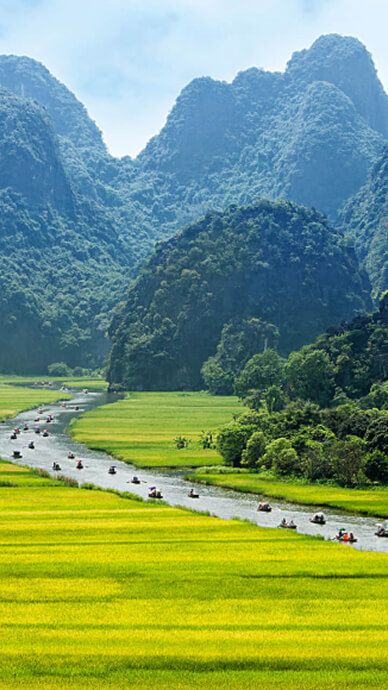
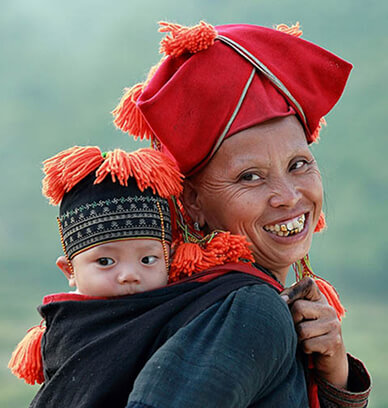
- Ma Tra and Ta Phin (Sapa): Head north on an overnight rail journey into the misty highlands of Sapa. Leave the packed tourist tracks behind as local experts will lead you through remote Ma Tra and Ta Phin, wrapped in by green rice terraces and tea hills. Photograph the authentic beauty of the Flower Hmong and Red Dao people amid breathtaking mountain scenery.
Cambodia: Golden Hour & Khmer Architecture
This leg of your journey is reserved for the majesty of the Khmer Empire. Every moment is timed for you to photograph ancient architecture in all its glory. So, prepare your lens for:
- Angkor Wat Sunrise: Begin your adventure before dawn at Angkor Wat, entering from the quieter eastern side for prime shots of the glowing western façade. Then spend two full hours inside exploring the grand interior and detailed bas-relief carvings.
- Angkor Thom: The journey will lead you deep into Angkor Thom, where 200 towers hold gigantic, watchful faces in the Bayon Temple. In the afternoon, you can approach unique angles at the South Gate, then ascend the grand Elephant, Leper King Terraces, and Baphuon’s upper galleries.
- Ta Prohm, Preah Khan, and Phnom Krom Hill: The most atmospheric experience is at Ta Prohm (“Tomb Raider”), where giant jungle roots embrace the ancient ruins. Next is the vast, labyrinthine Preah Khan, the second-largest temple known for its spectacular East Gopura tree. We end the temple days watching the perfect sunset from Phnom Krom Hill overlooking Tonle Sap.
Laos: Luang Prabang’s Heritage
Our last stop in the Indochina travel package offers quiet streets, sacred rituals, and the natural beauty of this UNESCO-listed city.
- Luang Prabang: End your journey in Luang Prabang, Laos’ spiritual capital. This UNESCO-listed city is known as the most preserved city in Southeast Asia. It’s super tranquil and beautiful, with Lao wooden houses and European colonial styles, right where the Mekong and Nam Khan rivers meet.
- Wat Visoun & Wat Mai: We’ll spend time exploring the city’s spiritual side. Stroll through the grounds of Wat Visoun to admire its impressive stupa, take a peaceful break at Wat Aham’s shrine, and admire the detailed façade found at Wat Mai!
- Mount Phousi: The journey up Mount Phousi is rewarded with the city’s most spectacular viewpoint. From the top, you get an amazing 360-degree view of Luang Prabang, the joining rivers, and rolling terrain. It’s an ideal frame for a serene sunset shot.
- Alms Giving (Sae Bat) in Luang Prabang: Luang Prabang is more than just temples. This Indochina package tour makes sure you have time to witness the Alms Giving ritual in the early hours: a reflective procession of Buddhist monks collecting alms. This is a beautiful and reflective farewell to your action-packed Indochina journey.
When is the Best Time to Travel to Indochina?
Weather and seasonal highlights shape every part of your trip through Vietnam, Cambodia, and Laos. That’s why timing your visit carefully is the key to seeing these countries at their best.
October to March (Dry and Cool Season)
The optimal time for a multi-country journey across Indochina is between October and March – the dry and cool season. It’s the time when the weather is the most reliable and pleasant for sightseeing across all three countries. Travellers can expect moderate temperatures and low humidity, avoiding the scorching summer heat and heavy monsoon rains. This is the perfect season for:
- Trekking: Sapa’s highland trails lie dry and firm beneath your feet so you can navigate safely. The clear views also fully reveal the vast expanse of the rice terraces.
- Cultural Exploration: Specifically in Cambodia, exploring the wide-open spaces of Angkor becomes more comfortable during this season.
- Photography: The dry season means clearer skies and less haze, so you’ll get those crisp and clear shots of the temples and the scenery.
Regional Climate Overview: Vietnam, Cambodia, Laos
Make the most of your Indochina adventure by travelling during the best local seasons:
- Vietnam North (Hanoi & Sapa): October to December brings crisp, dry days and cool evenings. While January and February can be cold in the mountains, the ethereal mist offers excellent opportunities for artistic shots.
- Cambodia (Siem Reap): The dry season spans from November to April. Between November and February, the weather is beautifully temperate for extensive outdoor visits and temple walks.
- Laos (Luang Prabang): The weather from November through March is perfectly balanced, with warm days and pleasantly cool evenings. It’s ideal weather for climbing up Mount Phousi to catch the sunset.
Best Time to Avoid Crowds & High Prices
December to February may offer perfect weather, but it also brings the biggest crowds and higher costs due to international holidays. Travellers seeking a quieter Indochina travel experience and greater value should consider the shoulder seasons:
- April: It’s starting to get hot, but still dry enough to see temples before the full monsoon arrives.
- September: The very end of the wet season, so expect occasional afternoon rains. However, the rice terraces of Sapa and the plains of Angkor are incredibly green and lush for your shots. You’ll also see far fewer crowds.
Which Dishes Make Indochina Travel Packages Truly Memorable?
Indochina’s cuisine is every bit as spectacular as its temples and mountain landscapes. Regional food differences are not only fascinating but key to understanding each nation’s unique identity. Here are the top 10 absolute must-tries that need to be on your list!
- Pho: The heart of this iconic national noodle soup is its broth, which is slowly simmered with complex spices like ginger and star anise to achieve the delicate, light yet layered flavours.
- Bun cha: This Hanoi speciality perfectly balances the smoky, charcoal-grilled patties with cool vermicelli and sweet-sour dipping sauce.
- Banh mi: You’ll find this sandwich everywhere from Hanoi to Saigon, but the Northern version keeps things simple: crisp baguette, smooth pâté, and cured meats. Northern renditions also use fewer sauces than their Southern counterparts.
- Cha ca la vong: This Hanoi quintessential dish arrives like a small performance: tender white fish marinated in turmeric and galangal, sautéed right at your table with loads of dill and scallions.
- Banh Cuon: A morning staple across Vietnam, silky steamed rice rolls filled with wood ear mushrooms and seasoned minced pork, topped with crunchy fried shallots, and served with subtly sweet dipping sauce.
- Amok (Fish Curry): Cambodia’s national dish, Amok, is made unforgettable by kroeung, a special paste featuring turmeric, galangal, and lemongrass. The tender fish is smothered in this creamy mixture and coconut milk before being steamed in a banana-leaf parcel.
- Khmer Red Curry: Milder and richer than other Southeast Asian curries, Khmer Red Curry is built on the herbaceous kroeung paste in a coconut milk base. This dish is served with a French baguette for dipping, showcasing Cambodia’s colonial heritage.
- Or Lam (Lao Spicy Stew): Or Lam is Luang Prabang’s signature stew with tender meat and fresh vegetables. The most important ingredient of this dish is sakhaan (spicy pepper wood vine), which thickens the dish and delivers a gentle peppery warmth.
- Larb (Minced Meat Salad): No Indochina trip to Luang Prabang is complete without trying Larb. This salad is juicy pork, chicken or fish with lime juice, chillies, herbs and toasted rice powder. Enjoy with a side of sticky rice for an authentic Indochina travel experience.
- Tam Mak Hoong (Lao Green Papaya Salad): The Laotian version of papaya salad, Tam Mak Hoong, is kicked up with potent padek (fermented fish sauce), which creates deeper umami and pungent flavour than Thai som tum.
What is the Best Accommodation for an Indochina Trip?
Our accommodations are thoughtfully chosen to give you both urban comforts and real, authentic experiences in the countryside.
A Blend of Comfort and Authentic Immersion
We carefully choose accommodations that serve as a comfortable, quality base for your cultural journey. In Hanoi, Siem Reap, and Luang Prabang, the accommodations are primarily 3- or 4-star hotels with superior service, cleanliness and proximity to cultural sites. Your room always includes A/C, Wi-Fi, private baths, and daily breakfast. Even the Hanoi–Sapa overnight journey, your rest is prioritised in air-conditioned, soft-berth cabins. Every stay, whether a city hotel or a cosy rural homestay, is designed to recharge our travellers and fuel the next adventure.
The Unique Sapa Homestay in Thanh Phu
After a day winding through the emerald rice terraces of Sapa, you’ll spend the night in a Tay stilt house in Thanh Phu village. This is more than accommodation – it’s a direct window into the hill tribe way of life. Sit with your host, share a home-cooked meal, and build genuine connections with the locals. The basic yet cosy accommodations offer meaningful cultural encounters and plenty of authentic photo opportunities.
Why choose Ancient Orient Journeys for your Indochina Travel Packages?
At Ancient Orient Journeys, every trip is 100% tailor-made to your interests, travel style, and pace. Our itineraries are designed for deep cultural connections, such as genuine ethnic market visits and intimate Sapa homestays. AOJ local experts also carefully time your visit to catch the magical “Golden Hour” at landmarks such as Angkor Wat. You can always capture any cultural site you visit at its most magical light.
Our dedicated local team also ensures you get honest service and true value on every journey. Every tour package is managed by a single tour specialist from planning to homecoming. This ensures you can get seamless planning and immediate support. If your goal is to truly connect and capture the soul of Indochina, Ancient Orient Journeys can be your trusted operator.
Code: 3103
Other destinations
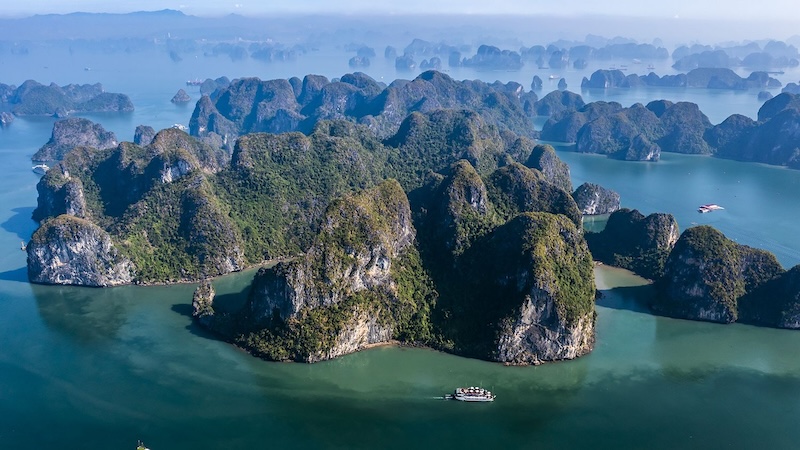
Halong Bay Tours
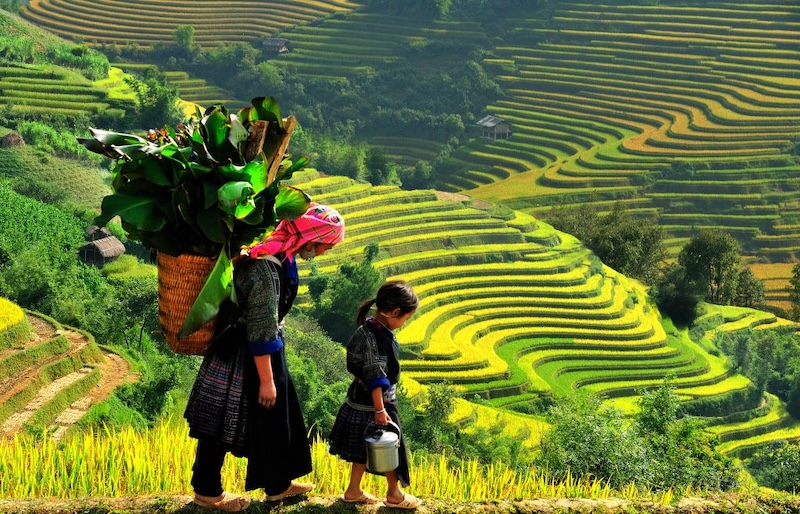
Sapa Tours
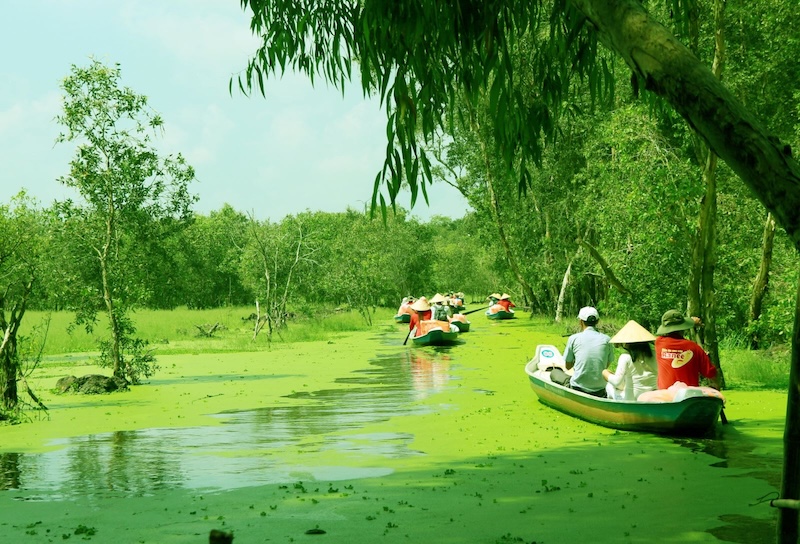
Mekong Delta Tours
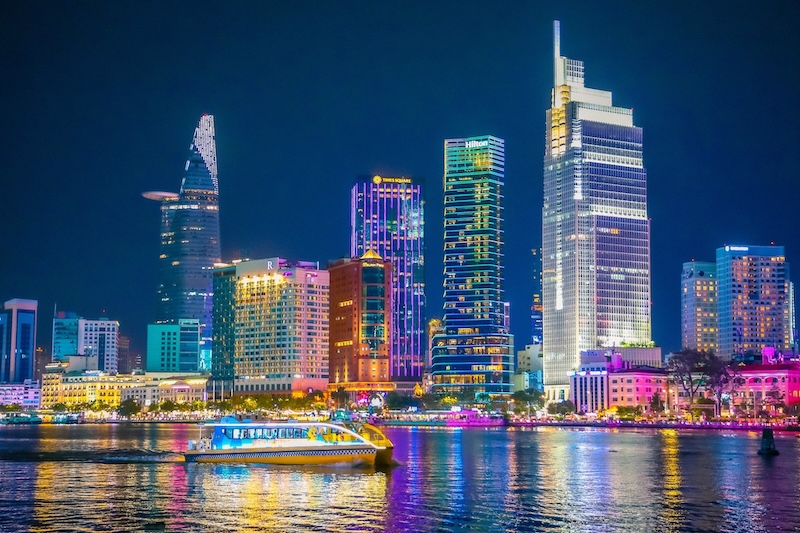
Ho Chi Minh City Tours
Nha Trang Tours