


August 25, 2026
Hoi An Travel Guide: The Ultimate Handbook for a Perfect Trip
January 13, 2026
With over 400 years of history, Hoi An Ancient Town is one of Vietnam’s most enchanting destinations. This UNESCO-listed heritage site captivates travelers with its timeless beauty — rows of mustard-yellow houses, blooming bougainvillea under golden sunlight, and glowing lanterns reflecting on the river at night. Some call Hoi An dreamy, others say it’s charmingly simple. But as the saying goes, seeing is believing. Only when you stroll along its mossy brick streets will you truly feel the soul of this heritage town.
Welcome to the ultimate Hoi An travel guide, designed to help you plan an unforgettable journey.
Where is Hoi An Ancient Town?
Hoi An is located on the lower stretch of the Thu Bon River in Quang Nam Province, about 30 km south of Da Nang. Thanks to this short distance, most travelers combine Da Nang and Hoi An in one itinerary — a perfect blend of beach city energy and old-town charm.
From the 16th to 19th centuries, Hoi An was a thriving international trading port. Today, it still preserves more than 1,000 historical structures, including ancient houses, temples, assembly halls, and old wells. The town’s architecture reflects a beautiful fusion of Vietnamese, Chinese, and Japanese influences.
Beyond sightseeing, Hoi An invites you to slow down, embrace local life, and taste legendary Central Vietnamese dishes such as cao lau, chicken rice, and the famous Banh Mi Phuong.
Best Time to Visit Hoi An
Choosing the right season greatly enhances your travel experience.
- February – April (Best season): Mild sunshine, cool air, and minimal rain — perfect for walking around the old town.
- May – August: Bright sunny days ideal for beach trips to An Bang Beach or island hopping to Cham Islands. Expect some hot days in June and July.
- September – November: Rainy season. The town becomes quieter, romantic, and atmospheric — perfect for café hopping and photography.
- December – January: Cool weather with occasional floods. A unique time to see Hoi An in a different, peaceful mood — just check weather forecasts in advance.
How to Get to Hoi An
Getting to Da Nang
Since Hoi An does not have its own airport, most travelers fly into Da Nang International Airport. Major domestic airlines operate frequent flights from Hanoi and Ho Chi Minh City. Flight prices are generally affordable, making Da Nang one of the easiest gateways to Central Vietnam.
From Da Nang to Hoi An
- Public Bus: Route No. 01 connects Da Nang and Hoi An. It is budget-friendly and widely used by both locals and tourists.
- Taxi or Grab: Convenient for families or small groups, offering direct travel to your hotel.
- Motorbike Rental: Adventurous travelers often rent motorbikes in Da Nang and ride along the scenic coastal road Võ Nguyên Giáp toward Hoi An — a beautiful journey in itself.
Getting Around in Hoi An
Within the old town, motorized vehicles are restricted during certain hours to preserve tranquility. The best ways to get around include:
- Bicycle: Many hotels and homestays offer free bicycles. Otherwise, rental costs are minimal.
- Motorbike: Ideal for exploring farther attractions such as beaches, coconut forests, and craft villages.
- Cyclo (rickshaw): A nostalgic way to explore the old town slowly while enjoying its scenery.
Must-Visit Attractions in Hoi An
Hoi An Ancient Town – The Heart of the Destination
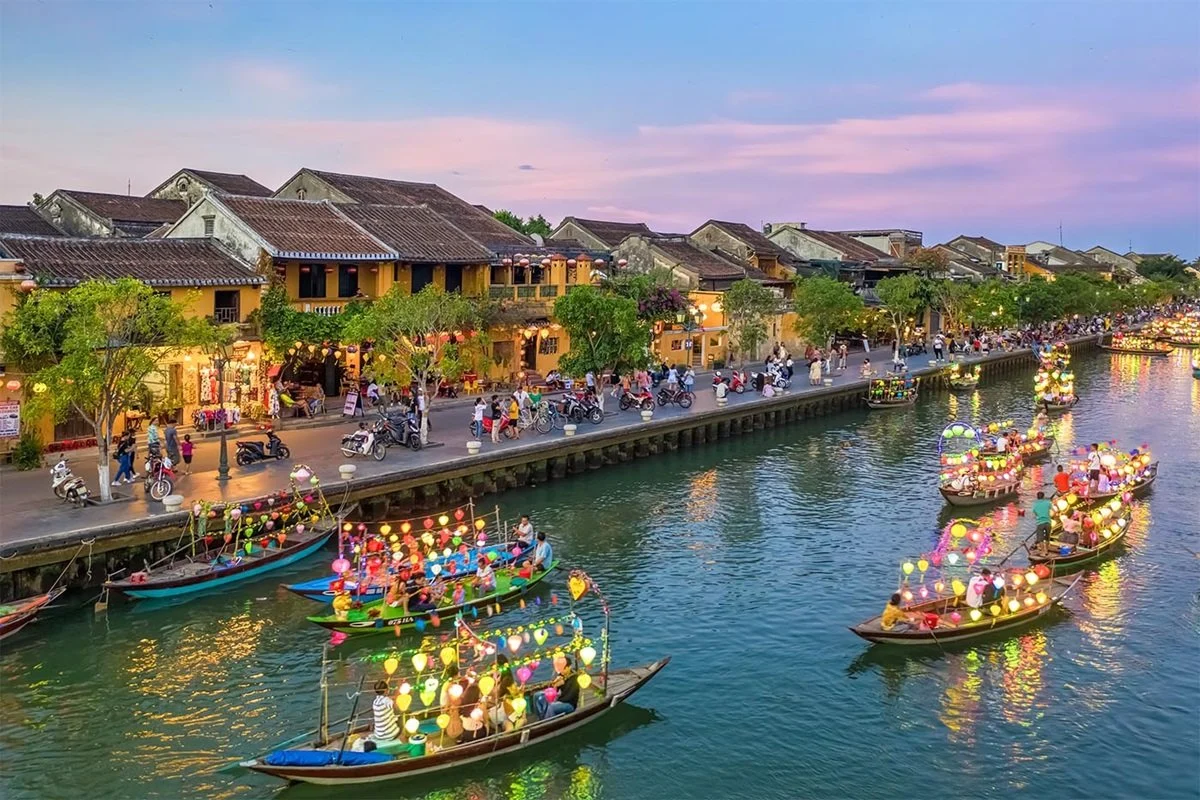
Hoi An Ancient Town is the soul of the city. It is a beautifully preserved maze of narrow streets lined with traditional houses painted in signature yellow tones. Walking through the old town feels like stepping into a living museum.
An entrance ticket allows you to visit several historical landmarks such as:
- The Japanese Covered Bridge (Chua Cau)
- Traditional Chinese Assembly Halls
- Ancient Merchant Houses
During daytime, the town feels calm and charming. At night, Hoi An transforms into a fairy-tale world of colorful lanterns, night markets, street performances, and folk games.
Between 6 PM and 10 PM, the Hoai River becomes lively with boats offering lantern-floating experiences. Renting a small boat and releasing glowing lanterns onto the river is one of the most romantic and iconic activities in Hoi An.
In the evening, visitors can also enjoy live music in cafés and bars or attend famous cultural performances such as Hoi An Memories Show and À Ố Show.
The best months to enjoy lantern-lit streets are from January to March, when weather conditions are most pleasant.
Cham Islands (Cu Lao Cham)
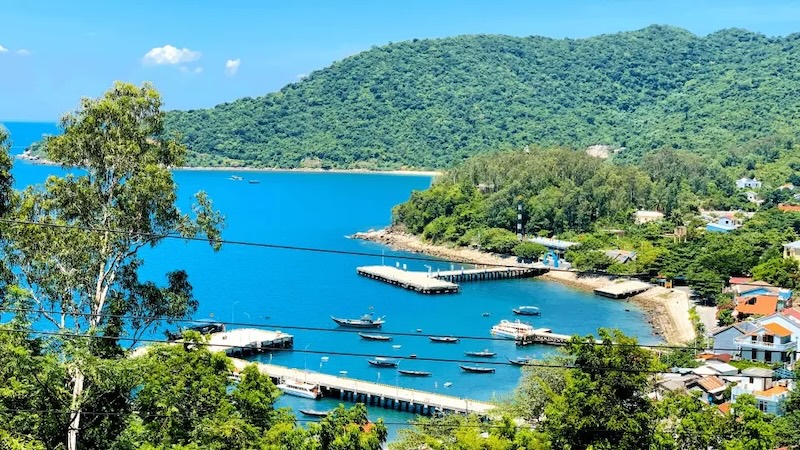
Just a short distance from Hoi An lies Cu Lao Cham, a stunning island cluster recognized as a UNESCO Biosphere Reserve. From Cua Dai Beach, visitors can take a speedboat ride lasting about 20 minutes or a wooden boat journey of around two hours.
Accommodation on the islands is mainly homestays and small guesthouses, offering a peaceful stay close to nature. Activities include:
- Snorkeling and diving to explore coral reefs
- Fishing with local fishermen
- Boat tours around nearby islands
- Discovering island village life
Key attractions include Hai Tang Pagoda, Ancient Cham Well, Tan Hiep Market, and unspoiled beaches and rocky shores.
Cu Lao Cham is a perfect destination for travelers who love the sea and wish to experience untouched island beauty.
Traditional Craft Villages
Hoi An is also known for its long-standing craft villages, where traditional skills have been passed down for generations.
Tra Que Vegetable Village
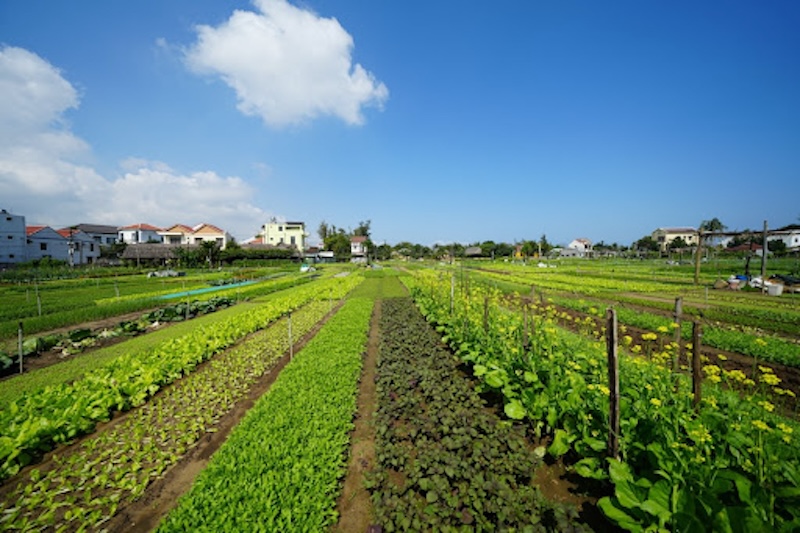
Located about 3 km from the old town, Tra Que is famous for its lush organic vegetable gardens. Visitors can experience real farming activities — digging soil, planting herbs, and watering crops — before tasting local dishes made with freshly harvested vegetables.
Thanh Ha Pottery Village
With over 500 years of history, Thanh Ha Village is a center of traditional ceramic production. Visitors can observe pottery-making processes and even create their own clay souvenirs.
Kim Bong Carpentry Village
Kim Bong has been renowned for wood carving and boat building for centuries. Walking through the village, you’ll find exquisite wooden handicrafts and meet skilled artisans at work.
Phuoc Kieu Bronze Casting Village
This 400-year-old village produces handcrafted bronze items for religious ceremonies and daily use. Watching artisans pour molten bronze into molds is a fascinating experience.
Cam Phu Community Tourism Village
Located about 15 km from Hoi An, this village offers a countryside experience with silk weaving, flower cultivation, wood carving workshops, and fishing demonstrations along the Thu Bon River.
Bay Mau Coconut Forest

Situated in Cam Thanh Commune, Bay Mau Coconut Forest is one of Hoi An’s most unique attractions. Visitors sit in round basket boats and glide through narrow waterways lined with water coconut palms.
Along the way, you can watch traditional boat-spinning performances, learn to make souvenirs from coconut leaves, and enjoy the cool green scenery. During coconut fruit season, you may also taste fresh water coconut — a refreshing local specialty.
Beautiful Beaches Around Hoi An
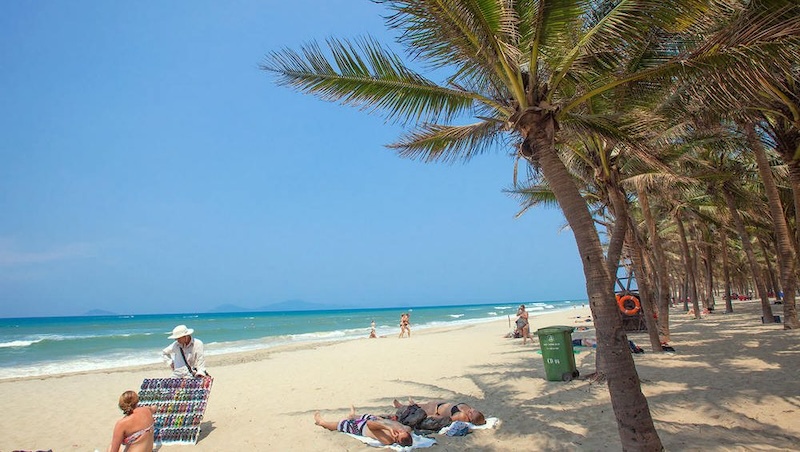
Hoi An is not only about culture and heritage — it also offers peaceful beaches perfect for relaxation.
- An Bang Beach: Only 3 km from the town center, this beach is clean, lively, and ideal for swimming and sunbathing.
- Ha My Beach: Recognized as one of Asia’s most beautiful beaches, Ha My offers tranquility and soft white sand.
- Cua Dai Beach: A familiar favorite with calm waves, wide sandy shores, and water sports activities.
Whether you prefer vibrant beach bars or quiet seaside retreats, Hoi An’s beaches provide wonderful coastal escapes.
What to Eat in Hoi An
Hoi An is a true culinary paradise. Its food reflects Central Vietnam’s character — simple, fresh, and deeply flavorful.
Cao Lau
Cao Lau is Hoi An’s signature dish. The chewy yellow noodles are made from rice flour mixed with ash water, giving them a unique texture and aroma. Served with pork, shrimp, herbs, and light broth, it’s a must-try specialty found only in Hoi An.
Mi Quang
Mi Quang features turmeric-tinted noodles, rich broth, shrimp, pork, boiled egg, peanuts, fresh herbs, and crispy rice crackers. While Mi Quang exists throughout Central Vietnam, the version in Hoi An has its own distinct flavor.
Banh dap
A popular street snack, fresh clams are stir-fried with herbs, onions, peanuts, and spices, eaten with crunchy rice crackers and sweet-sour fish sauce.
Wonton
Influenced by Chinese cuisine, Hoi An wontons are adapted to local taste. They can be served in broth or fried until crispy, paired with savory fillings and chili sauce.
Banh Vac
Delicate translucent wrappers shaped like roses hold shrimp and pork filling. Topped with fried shallots and dipped in garlic chili fish sauce, this dish is as beautiful as it is delicious.
Sweet Soups (Che)
Hoi An offers a variety of traditional sweet soups, including corn pudding, lotus seed soup, mung bean desserts, and even a unique pork-filled rice dumpling version.
Banh Beo
Steamed rice cakes topped with dried shrimp, crispy pork fat, peanuts, and fish sauce — simple yet irresistibly tasty.
Hoi An’s cuisine is not only about flavors but also about warmth, hospitality, and cultural pride.
Where to Stay in Hoi An
AOJ has carefully selected reliable accommodations ranging from cozy boutique villas to elegant resorts. Prices vary from budget-friendly to luxury, but all share attentive service and comfortable environments.
| Hotel / Villa | Location | Price Range (VND/night) |
| Golden Bell Boutique Villa | Ly Thai To | 300,000 – 1,000,000 |
| Hoi An Memority Hotel & Spa | Cua Dai | 450,000 – 800,000 |
| Sunshine Hotel Hoi An | Phan Dinh Phung | 616,000 – 900,000 |
| Water Coconut Boutique Villas | Cam Thanh | 800,000 – 1,200,000 |
| La An Central Boutique Villa | Ngo Quyen | 1,200,000 – 3,500,000 |
| Senvila Boutique Resort & Spa | Cam Thanh | 2,000,000 – 3,500,000 |
Whether you want to stay near the lively old town or retreat into peaceful nature, these options help ensure a pleasant and memorable stay.
What to Buy as Souvenirs in Hoi An
Hoi An is also a fantastic place for souvenir shopping. Many items reflect traditional craftsmanship and local heritage.
- Lanterns: Hoi An’s most iconic symbol. You’ll find countless lantern shops offering various shapes, sizes, and colors. A lantern makes a perfect souvenir representing the town’s spirit.
- Handcrafted Bronze Items: Small bronze statues, bells, and decorative objects from Phuoc Kieu Village are beautifully made and reasonably priced.
- To He (Thanh Ha Clay Toys): Simple, charming, and affordable — perfect for children or light keepsakes.
- Wood Carvings: Handmade wooden crafts from Kim Bong Village showcase excellent artistry and traditional carving techniques.
- Silk Products: Hoi An silk is soft, breathable, and elegant. You can buy scarves, bags, or even have custom outfits tailored in just one day — a special and personal souvenir.
Each product carries a story of heritage villages and the skilled hands of Hoi An artisans.
Hoi An is more than just a travel destination — it is an emotional and cultural journey. From lantern-lit streets and ancient houses to flavorful local cuisine, peaceful beaches, and warm-hearted people, every moment in Hoi An leaves a lasting impression.
Discover Hoi An in Style with AOJ Luxury Tours
If you’re looking to elevate your journey beyond ordinary travel, AOJ’s Vietnam luxury tours are designed to deliver unforgettable experiences with comfort, exclusivity, and personalized service. From private heritage walks in Hoi An Ancient Town to curated culinary experiences, boutique accommodations, and seamless transportation, every detail is thoughtfully arranged so you can simply relax and enjoy the destination.
We hope this comprehensive Hoi An travel guide provides everything you need to plan your adventure. Whether you seek history, relaxation, culinary exploration, or romantic experiences for Vietnam honeymoon trip, Hoi An Ancient Town promises a journey you’ll never forget.
ANCIENT ORIENT JOURNEYS
Address: 85/2 Quang Trung Street, Go Vap Ward, Ho Chi Minh City
Phone: +84 908660176
Hotline in USA: (323) 892-0546
Website: aojourneys.com
Email: info@aojourneys.com
Related news


Embark on inspiring journeys today!
Book your tour now and make your travel dreams come true. With our dedicated customer service, diverse and carefully crafted itineraries, you’re guaranteed a seamless, memorable, and worry-free experience every step of the way.
SEND A REQUEST